Early Intervention
Trusted by leading Australian employers.









Intervene Early To Prevent Complex Claims
At RediMed, we understand workplace injuries can be extremely costly and disruptive to businesses.
In order to reduce the impact and duration of workplace injuries, RediMed delivers an Early Intervention program which helps identify and manage minor injuries early, supporting workers to recover quickly and return to or stay at work.
Our Early Intervention offering is an employer-referred and employer-funded program, providing fast access to expert clinical care. It is carefully designed to minimise the expenses associated with workers’ compensation claims through the reduction in lost time injuries and complex, lengthy claims.
We provide employers with a customised, practical option to support your worker/s early, reducing the risk of their injury or condition progressing to a costly workers compensation claim.
What Is Early Intervention (EI)?
Early Intervention at RediMed is a structured, work-focused clinical support pathway for workers who present with early symptoms or minor injuries/conditions that may impact safe work participation if not addressed promptly.
It is characterised by:
- Rapid & early access to care: Through timely triage and clinical review.
- Work-focused assessment: Reviewing capacity, job demands, functional risk.
- Evidence-based treatment: Medical consultation, physiotherapy, hand therapy, exercise physiology and psychology.
- Structured communication with employers
- Clear escalation criteria: When complexity or workers' compensation requirements change.
Best-practice clinical guidance consistently supports staying active, restoring function, and returning to usual activity (including work) as soon as feasible, with tailored treatment targeted to enable safe participation rather than unnecessary rest or passive care.
Organisations that support Early Intervention programs are seen to be actively fostering a productive and supportive work environment, demonstrating a committment to workers’ health, safety and wellbeing.

Early Intervention is not intended to replace workers’ compensation where a claim is appropriate. Instead, it is a proactive, employer-led option to reduce the likelihood of deterioration, time loss and increased premiums, while keeping decision-making transparent and clinically governed. Early Intervention can increase a worker’s ability to remain at work whilst they recover, reducing indirect costs such as lost productivity, recruitment and training costs for replacement staff.
When Would You Use It?
Employers would use RediMed’s Early Intervention when a worker has:
- A new minor injury (e.g., strain/sprain, early inflammatory symptoms, minor soft-tissue injury)
- Early musculoskeletal symptoms affecting task tolerance (manual handling, repetitive work, sustained postures)
- Early indicators of hand/wrist/upper limb dysfunction impacting grip, dexterity or tool use
- Early indicators of deconditioning impacting safe work endurance
- Early psychosocial risk indicators (stress responses, sleep disruption, anxiety around pain/injury, reduced coping) where brief, workplace-aligned psychological support may prevent escalation
- The condition is clinically stable and expected to improve with brief, targeted care
- Work participation can be supported through simple adjustments (hours, tasks, loads, pacing)
- The expected treatment course is short and outcome-focused
- Red flags or serious pathology indicators are present that may result in prolonger recovery in excess of 3-6 treatment sessions (or approximately 8 weeks post-injury occurrence).
- The worker requires prolonged treatment, specialist-driven pathways, or complex psychosocial management.
- Work participation is unsafe without more comprehensive planning.
Who Can Refer?
RediMed Early Intervention is employer-referred (typically via HR, WHS, injury management, RTW coordinators, or supervisors under your internal process).
It is employer-funded and generally used before claim lodgement, giving employers a practical option to support a worker early without waiting for symptoms to worsen.

What Is The Process?
Once you complete our online form, your request will be triaged to ensure appropriate for Early Intervention. The employer/referrer will be emailed an appointment option that best suits your request.
Where appropriate, the worker is then allocated a structured, time-limited block of allied health services which are completely tailored to your organisation. They may include:
• Physiotherapy
• Hand Therapy
• Exercise Rehabilitation
• Psychology
Planned, fit-for-purpose communication supports employer decision-making and timely workplace adjustments. A formal report will outline the initial assessment finds, potential barriers/flags, treatment proposed with timeframes and suggestions on work adaptations.
Informal communication will take place following each session if requested, identifying progress, concerns, barriers or work recommendations.
Additional reporting can be provided upon request to support your organisational needs.
At completion, RediMed confirms outcomes and recommends discharge with self-managed guidance, further approved intervention, or escalation to an alternative pathway where further support and management may be appropriate.
Early Intervention Treatment Blocks
Our tailored treatment blocks may include a medical consultation and/or treatment from our allied health professionals in the following areas. The package is completely bespoke to your organisation’s requirements.
RediMed physiotherapy supports early functional recovery following musculoskeletal injury or discomfort, with the goal of maintaining or restoring safe work participation.
Care is centred on:
- Functional assessment and clinical risk screening
- Education and self-management strategies
- Graded activity and progressive rehabilitation
- Manual therapy used selectively as an adjunct to active rehabilitation
- Practical advice to support safe task performance and workload tolerance
This approach aligns with evidence-based guidance supporting activity, function and early return to usual duties rather than prolonged rest.
Programs focus is on:
- Baseline functional assessment aligned to work requirements
- Individualised strengthening and conditioning
- Graded exposure to work-related movements and loads
- Education on pacing, recovery and sustainable capacity
This model supports durable return-to-work outcomes by restoring confidence and physical tolerance.
Psychological support within Early Intervention is brief, targeted and work-focused, addressing early psychological or psychosocial barriers that may affect recovery or work participation.
Support may include:
- Early screening of psychosocial risk factors
- Skills-based interventions to support coping and confidence
- Pain education and stress regulation strategies
- Sleep support where relevant
- Work-focused goal setting and graded exposure
Early psychological input can reduce the risk of escalation to persistent pain, prolonged absence or complex claims.
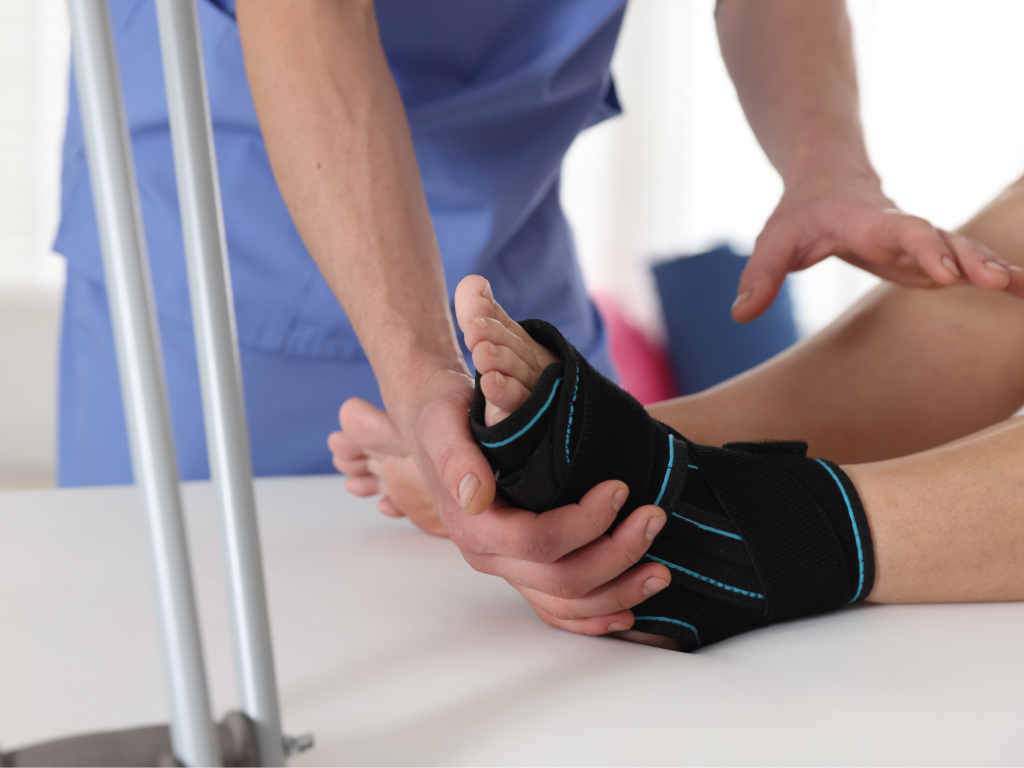
RediMed Hand Therapy can assess and provide early management of upper limb injuries affecting the hand, wrist, forearm and elbow, where timely intervention can assist the worker into returning to work and home tasks more successfully.
Interventions may include:
- Fabrication of splints, or supports provided where clinically indicated
- Swelling, wound, scar and pain management strategies
- Range of movement, strengthening and functional retraining programs
- Education on activity modification and safe use of the hands to prevent further injury
- Education on self management strategies
Why Choose RediMed?
Clinically governed, with occupational medical oversight ensuring the right pathway is selected early and escalation occurs promptly where required.
Employer-led, with clear ownership, structured and time-limited for cost transparency and proportional care. Work-focused and outcome-driven, prioritising safe work participation and functional recovery.
Multidisciplinary and end-to-end under one roof, integrating occupational medicine, physiotherapy, hand therapy, exercise rehabilitation and psychology within a single service network to reduce fragmentation and improve continuity.
Built on best-practice early intervention design, incorporating rapid and early access, functional assessment aligned to job demands, active evidence-based care, structured communication and defined escalation pathways.
Seamless transition across pathways, enabling smooth progression from early intervention to claim-based care or specialist referral where required, without loss of clinical context or continuity.
RediGo Bio-Psychosocial Screening
RediGo is a newly created service that provides a structured, biopsychosocial screening tool designed to identify early risk factors that may impact recovery, work participation or escalation risk. The screening supports early identification of physical, psychological and contextual factors – such as pain-related beliefs, stress, coping capacity and workplace influences – that are known to affect recovery outcomes. Delivered in a low-burden, accessible format, RediGo enables timely, targeted clinical decision-making and informs proportionate early intervention strategies.
RediGo may be used when a more individualised, risk-informed approach is required, helping employers and clinicians address barriers early and reduce the likelihood of prolonged recovery or complexity. If you would like to learn more about RediGo please reach out to us.